
Balancing Pads – Overview and Use
Balancing pads are weighted adhesive pads designed to help reduce internal tire imbalance prior to final wheel balancing. They are installed on the inside liner of the tire, typically opposite the tire’s heavy spot as identified by balancing equipment.
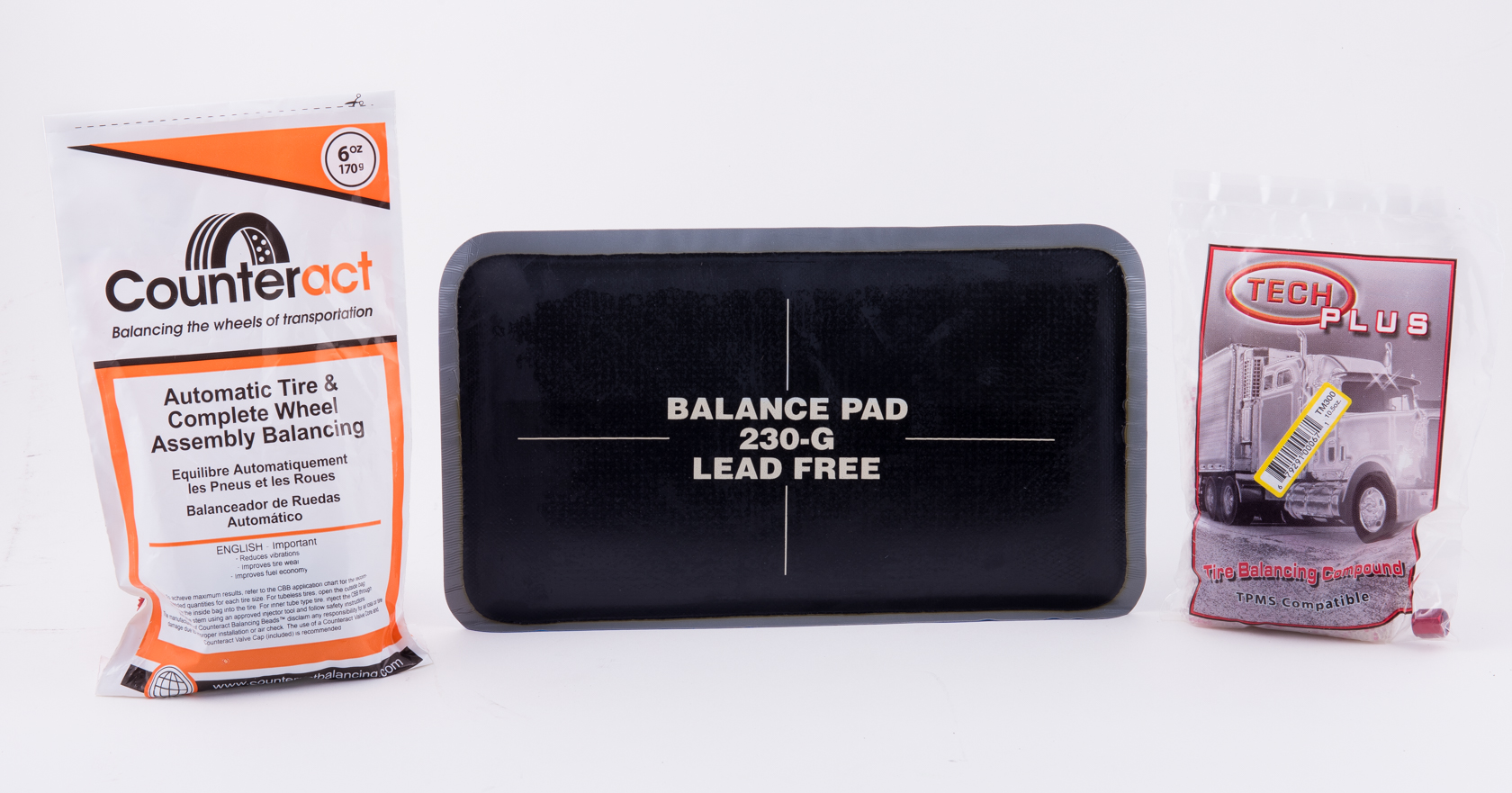
Purpose
Balancing pads help minimize internal weight imbalances within the tire, reducing the amount of corrective weight required during final wheel balancing.
Application
Balancing pads are applied to the inner wall of the tire by a trained tire service professional, based on measurements provided by tire balancing equipment. Proper placement is critical to achieving effective results.
Benefits
Reduced corrective weights
Improved ride quality
Extended tire life
Enhanced handling and stability
Why You May Find a Balancing Pad in Your Interco Tire
Some Interco tires may contain internal balancing pads as part of normal manufacturing and quality control processes. Aggressive tread patterns, reinforced construction, and heavy-duty designs can naturally create minor imbalances. In certain cases, these are corrected at the factory to help ensure the tire meets performance standards before shipment.
The presence of a properly installed balancing pad does not indicate that a tire is used, defective, or damaged. It is typically a sign that uniformity was adjusted during production to improve balance and consistency.
Only a small percentage of Interco tires will contain internal balancing pads. In limited cases where minor uniformity adjustments are needed, standard manufacturing quality control processes may include the use of balancing pads to help ensure the tire meets applicable performance and consistency standards. The presence of an internal balancing pad does not eliminate the need for final balancing after the tire is mounted on a wheel.
Alternative Balancing Methods and Final Wheel Balancing
In addition to internal balancing pads, other tire balancing methods are commonly used, including external wheel weights, balancing beads, and balancing compounds. The appropriate method depends on the tire model, vehicle application, wheel design, and operating conditions.
The presence of an internal balancing pad does not eliminate the need for final balancing after the tire is mounted on a wheel. Internal pads are intended to help reduce minor imbalances within the tire itself. However, once the tire is mounted, additional variables are introduced, including wheel weight variation, mounting position, valve stem location, and minor assembly tolerances.
Because tire and wheel assemblies function as a combined system, final balancing is necessary to account for these factors and ensure optimal performance. Proper balancing after mounting helps maximize ride quality, handling, and tread life, regardless of whether an internal balancing pad is present.
Sourcing
Balancing pads and related materials are available through specialty tire supply companies and major tire service retailers Such as Meyer's Tire Supply or Patch Rubber Co. A quick Google search may also yield more information on Balance Pads or Balance Patches, as well as where they can be sourced. Also try: ACP-ID
Disclaimer
Interco does not endorse or recommend any specific brand or manufacturer of balancing pads. The information provided is for general informational purposes only. All balancing products should be installed by qualified tire service professionals in accordance with manufacturer guidelines.